EV Driving in Chicago Winter
Range, Charging, and Survival Tips
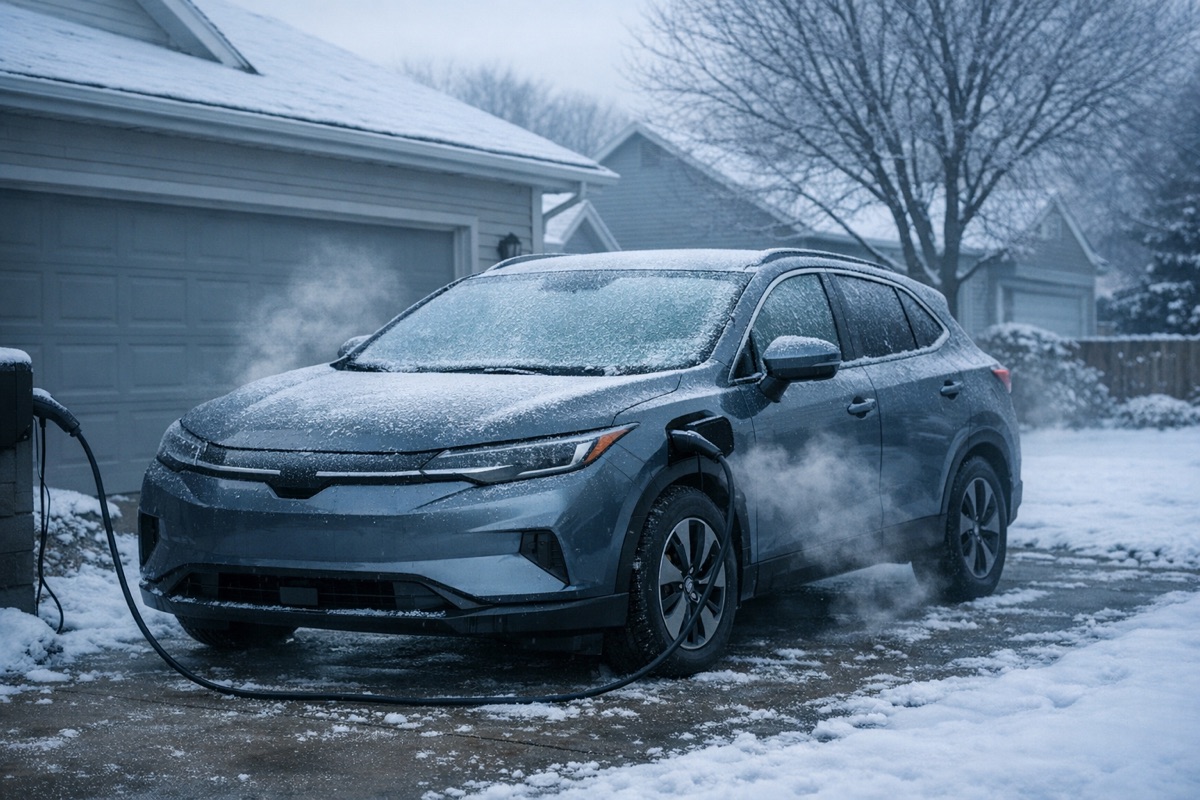
If you live in Chicago, you know winter is less of a season and more of a lifestyle adjustment. For anyone thinking about an electric vehicle (EV), "range anxiety" usually hits its peak right around the first deep freeze. The headlines about EVs dying in the cold are everywhere, but if you look past the clickbait, the reality is much more manageable.
Owning an EV in a Chicago winter doesn't have to be a headache. Once you understand how battery pre-conditioning works and how to adjust your charging habits, you can drive through January with plenty of confidence.
Why the Cold Eats Your Range
Batteries simply don't like the cold. Lithium-ion chemistry is less efficient when it's freezing, and on average, you'll see about a 20-30% range drop when temperatures hit 32°F. During a true Chicago polar vortex (sub-zero temps), that loss can jump closer to 40%, especially if you're blast-heating the cabin.
The Two Main Culprits
Your range takes a hit for two primary reasons:
- Slower Chemistry: Cold makes it harder for ions to move through the battery's liquid electrolyte, which increases internal resistance.
- The Heating Tax: Gas cars use "free" waste heat from the engine to warm you up. EVs have to use the battery to generate every bit of warmth, which pulls energy away from the motor.
The Heat Pump Advantage
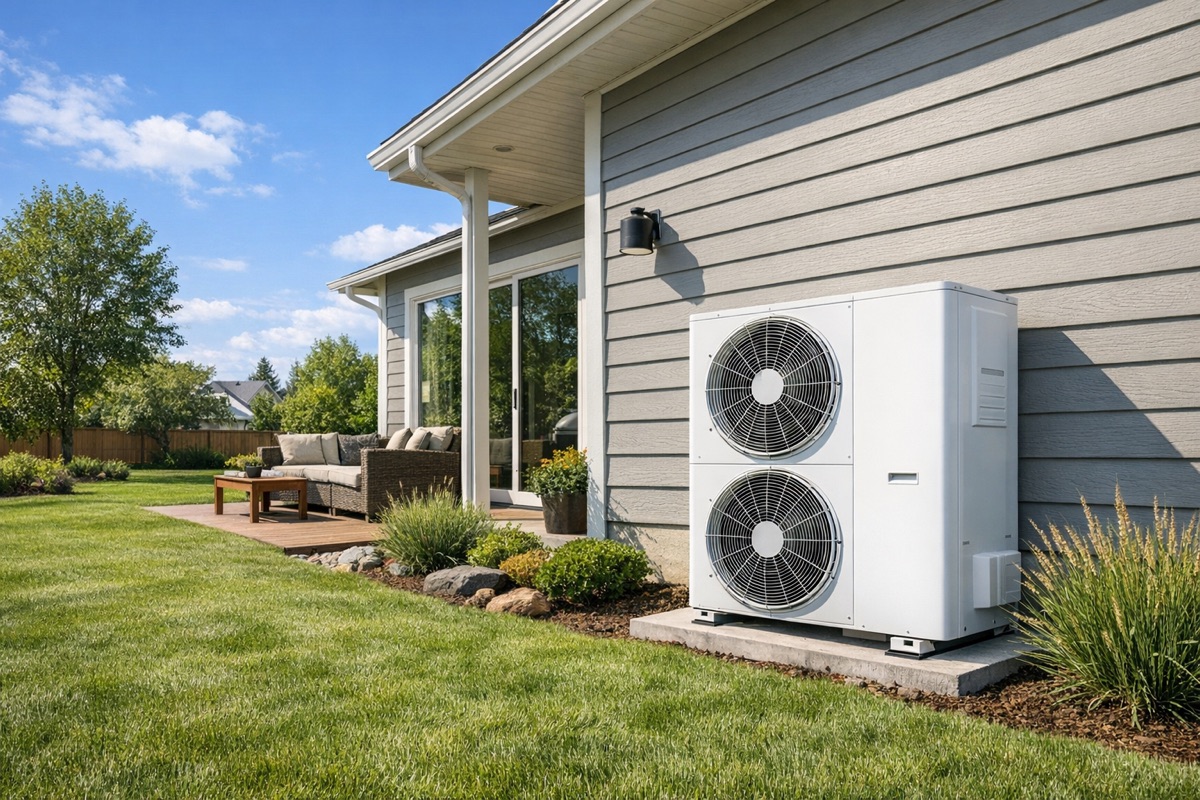
If you're currently shopping for an EV in Illinois, look for models equipped with a heat pump. While older EVs used "resistive heating" (basically a giant space heater), modern EVs like the Tesla Model Y, Hyundai Ioniq 5, and Kia EV6 use heat pumps that move heat from the outside air into the cabin. This is up to 3x more efficient and can save you 10-15% of your range during the winter months.
The Fast-Charging Secret: Battery Pre-Heating
The biggest surprise for new EV owners in winter isn't always the range—it's the charging speed. If you roll up to a 350kW fast charger with a battery that's been sitting in sub-freezing temps, your car might only pull 30-40kW. That's the difference between a quick 20-minute break and sitting at the charger for an hour.
Cold batteries can't safely accept high current without risking "lithium plating," which can cause permanent damage. To prevent this, the car's software will throttle the charging speed until the battery warms up.
This is why Battery Pre-conditioning (or Pre-heating) is a game-changer. It's a system that uses the car's own thermal management to warm the battery while you're driving to the charger, so it's ready to drink juice as soon as you plug in.
Case Study: The Hyundai Ioniq 5
The Ioniq 5 is one of the fastest-charging EVs out there, but its 800V architecture is picky about temperature. It's actually a great Chicago car, but you have to know how to "prime" it for winter charging.
*Values are approximate and vary based on charger capacity and state of charge.
To trigger pre-conditioning in the Ioniq 5, you must use the built-in navigation system to select a DC fast charger as your destination. The car will then intelligently use its heater to bring the battery pack up to roughly 70°F by the time you arrive, ensuring you get the fastest possible charging speed.
Why Regenerative Braking "Disappears"
If you're used to "one-pedal driving," your first winter morning in an EV might be a bit of a shock. When a battery is cold, it can't absorb a high-current burst of energy quickly. That means your car won't slow down as aggressively when you lift off the accelerator.
You'll probably see a warning light or a dashed line on your dash indicating that "regen" is limited. As you drive and the battery warms up, that familiar braking feel will slowly return.
Watch out on ice: Be careful on side streets when your regen is limited. You'll need to use your mechanical brakes more than usual, and on slick Chicago roads, that change in feel can catch you off guard.
Winter Tires and Your Range
In Chicago, winter tires (like Blizzaks or X-Ice) are basically mandatory for slush and black ice. But fair warning: they will eat a bit more of your range. Winter tires have higher rolling resistance than the "low rolling resistance" tires that usually come on EVs.
Expect another 3-5% drop in efficiency when you swap your tires. It's a small price to pay for being able to stop on a sheet of ice, but it's something to keep in mind. You can offset some of this extra energy cost by charging during the cheapest hours using ComEd's Dynamic Pricing.
Essential Tips for Chicago EV Owners
🔌 Pre-condition While Plugged In
Use your app to "start" your car 15-20 minutes before you leave while it's still plugged into your home charger. This warms the battery and cabin using grid power instead of your precious range.
🔥 Prioritize Seat & Wheel Heaters
Heating the entire cabin's air is energy-intensive. Use your heated seats and steering wheel first—they use significantly less power and provide more immediate comfort.
🛞 Watch Your Tire Pressure
For every 10-degree drop in temperature, tires lose about 1 PSI. Low pressure increases rolling resistance and further drains your battery.
📉 Keep Charge Above 20%
In extreme cold, some battery management systems reserve a portion of energy just to keep the battery from freezing. Avoid letting your charge get critically low during a blizzard.
The Verdict
Chicago winters are tough on any vehicle, gas or electric. While EVs definitely require a bit more planning when the temp drops, they aren't the fragile machines the clickbait makes them out to be. If you have a place to plug in at night and you know how to use your car's pre-conditioning, you'll be just fine.
If you're seeing higher bills this winter, it might not just be your heating habits. Check out our deep dive on recent ComEd price spikes to see what else is driving up the cost of electricity in Illinois.
Curious if the math still works in your favor? Run your own commute through our EV vs. Gas Cost Calculator and see the savings for yourself.