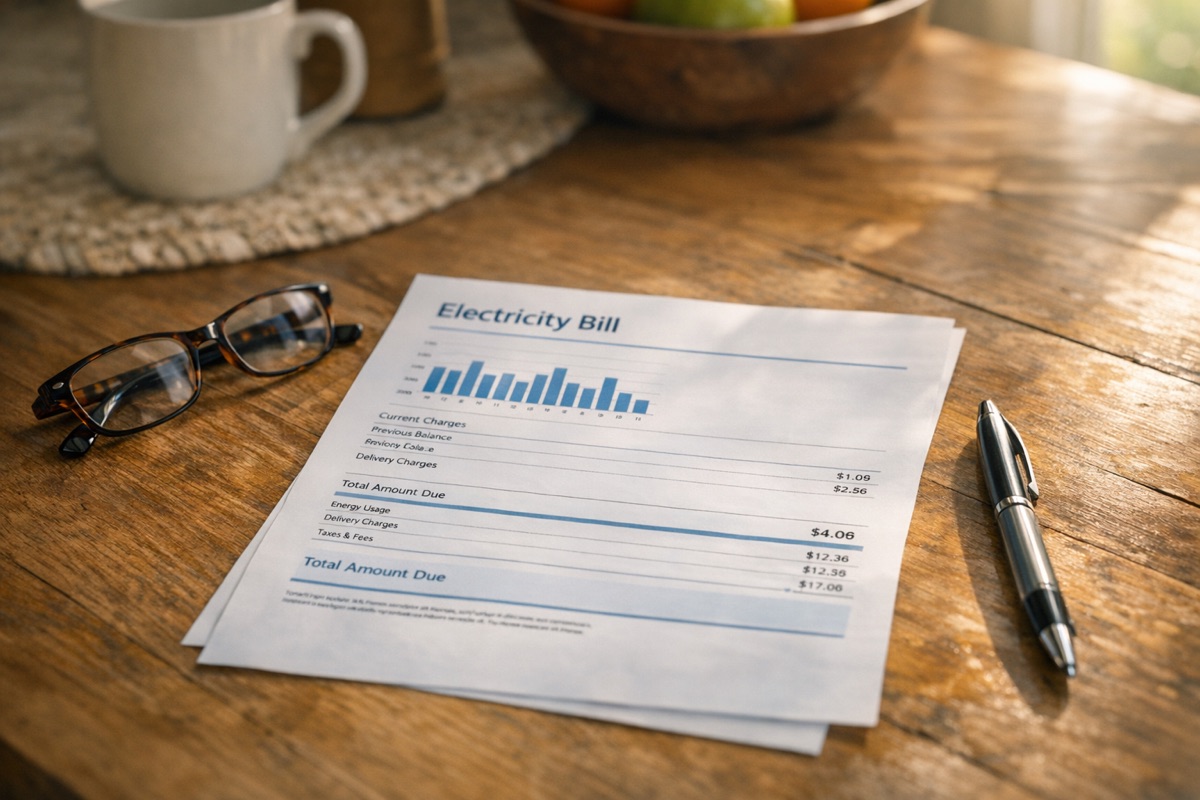
Why Is My ComEd Bill So High?
Explaining the 2025-2026 Illinois Electricity Price Spikes
If you've opened your recent ComEd bill and felt a serious sense of sticker shock, you're definitely not the only one. People across Northern Illinois and the Chicago area have been hit with some of the highest rates in years, leading to the same frustrating question: "Why is my ComEd bill so high?"
It isn't just a simple case of inflation. It's a combination of record-breaking capacity auction prices, the explosion of energy-hungry AI data centers in our backyard, a $243 million delivery rate increase, and a massive $15.3 billion grid plan on the horizon. Let's look at the actual data behind these spikes and what you can do to protect your wallet.
The Numbers: A Historical Look at ComEd Supply Rates
To understand where we are, we have to look at where we've been. ComEd's supply rates (the "Electricity Supply Charge" on your bill) have seen significant volatility over the last five years:
| Month/Year | Supply Rate (cents/kWh) | Context |
|---|---|---|
| October 2021 | 5.41 | Pre-crisis baseline |
| October 2022 | 12.24 | Global energy market spike |
| October 2023 | 6.87 | Stabilization phase |
| October 2024 | 6.47 | Recent low point |
| June 2025 | 10.03 | Capacity-driven surge |
| Winter 2025-26 | 9.69 | Current non-summer rate (through May 2026) |
Sources: Illinois Commerce Commission (ICC), ComEd historical rate filings, and Illinois Power Plug.
Even though the current non-summer rate dipped slightly from the June 2025 peak, it remains nearly double the rates we enjoyed in 2023-2024. And with the next PJM capacity auction results set to take effect in June 2026, experts warn another increase is likely.
1. The "Capacity Charge" Explosion
The single biggest driver of elevated prices isn't the cost of the electricity itself, but the cost of keeping the lights on. This is known as the "capacity charge."
PJM Interconnection, the regional grid operator that includes Illinois, has seen capacity auction prices explode over the past three years:
| Delivery Year | Capacity Price ($/MW-day) | Change |
|---|---|---|
| 2024/2025 | $28.92 | Baseline |
| 2025/2026 | $269.92 | +833% |
| 2026/2027 | $329.17 | +22% |
| 2027/2028 | $333.44 | +1.3% (record high) |
Source: PJM Interconnection Base Residual Auction results.
That's an over 1,050% increase in capacity costs in just three years. These costs are passed directly to ComEd customers, and the 2026/2027 prices take effect this June.
Why the jump? As fossil-fuel plants retire faster than new energy is being added, and data centers drive up demand, the "insurance" cost to ensure there is enough power for peak summer days has skyrocketed.
2. The Data Center Hub: Chicagoland's AI Boom
Northern Illinois has become one of the nation's largest data center hubs, with 244 active facilities and over 1,200 MW of operational capacity. Another 22 projects are in the pipeline, adding an estimated 3,900 MW more. The Chicago area alone faces a projected 900% increase in power demand from hyperscale data center projects.
A January 2026 report from the Union of Concerned Scientists found that data centers could account for up to 72% of Illinois' overall electricity growth by 2030, adding an estimated $24 to $37 billion in electricity system costs between 2026 and 2050 without stronger ratepayer protections.
Rising Grid Demand: Residential vs. Tech
Illinois ranks 3rd nationally for data center electricity consumption at 12 TWh per year, behind Virginia (24 TWh) and Texas (17 TWh).
Regulators are starting to respond. On March 19, 2026, the ICC approved a ComEd proposal requiring data center developers to put up multimillion-dollar deposits — often in the tens of millions — for new infrastructure buildout. Developers get the money back within 10 years if their project operates at projected demand, but ComEd keeps the deposits for projects that fall short, protecting ratepayers from bearing the cost of unused infrastructure.
3. Delivery Rate Hikes and a $15.3 Billion Grid Plan
While supply is the most volatile part of your bill, the "Delivery" portion (the cost to maintain the lines and transformers) is also rising. In December 2025, the ICC approved a $243 million rate reconciliation increase for ComEd — adding roughly $3.10 per month to the average residential bill starting in January 2026. The ICC did cut $25.4 million from ComEd's original $268.5 million request, striking costs related to the utility's botched billing system rollout.
Looking further ahead, ComEd filed a $15.3 billion grid plan for 2028-2031 in January 2026. The plan calls for new substations, renewable energy integration, and infrastructure upgrades to handle growing demand from EVs, data centers, and home electrification. If approved in full, it would add another $2.50-$3.00 to the average monthly bill.
4. New Law Promises Long-Term Relief
There is some good news. On January 8, 2026, Governor Pritzker signed the Clean and Reliable Grid Affordability Act (CRGA), which the Illinois Power Agency estimates will save energy customers $13.4 billion over the next 20 years.
Key provisions taking effect in 2026:
- Virtual Power Plants (June 2026): ComEd and Ameren must file VPP tariffs by June 1. Homeowners with battery storage can earn rebates by participating in scheduled-dispatch programs starting June 30.
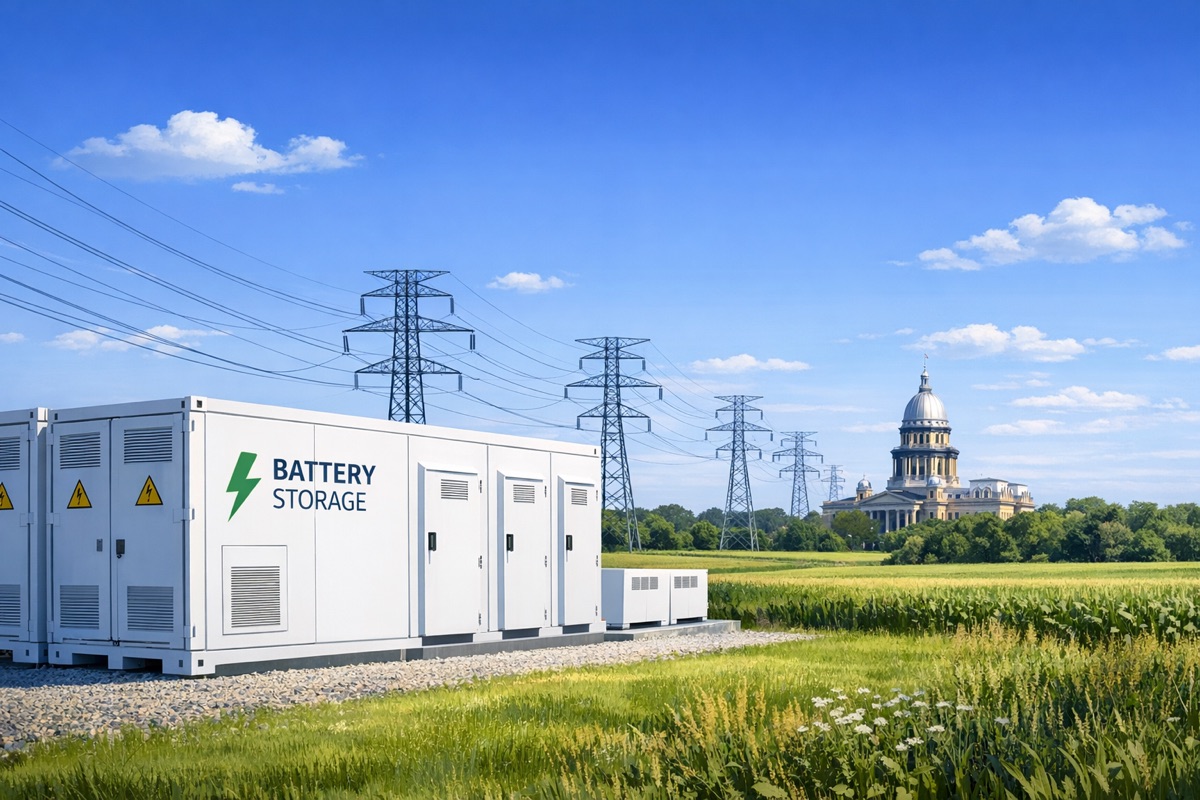
- Battery Storage Procurement: The IPA will procure over 1,000 MW of utility-scale battery storage by August 2026, adding grid resilience and helping reduce peak pricing.
- Data Center Tax Incentive Freeze: Governor Pritzker proposed a two-year suspension of data center tax incentives starting July 1, 2026, shifting some grid costs back to the companies driving demand.
These measures won't lower your bill overnight, but they represent the most significant legislative effort to address electricity affordability in Illinois in years.
How to Fight Back: Strategies for Consumers
Even with rising baseline prices, you have options to lower your actual monthly expenditure:
Switch to Hourly Pricing
Programs like ComEd Hourly Pricing allow you to pay the real-time market rate. By avoiding usage during the 2pm-7pm peak, users often save 15-20% compared to the fixed supply rate. Read our guide to dynamic pricing.
Use Monitoring Tools
Apps like Electrac help you monitor live electricity prices. By getting SMS alerts when prices are high, you can delay energy-intensive tasks like laundry or EV charging to cheaper windows.
Energy Efficiency Audits
CUB (Citizens Utility Board) and ComEd offer free or subsidized energy audits to find "leaks" in your home's insulation and heating systems.
ComEd EV Rebates
Planning to buy an EV? You can get up to $2,500 back for installing a home charger. Read our full EV Rebate Guide.
The Verdict
With capacity prices at historic highs, data center demand straining the grid, and new delivery rate increases hitting your bill, 2026 is shaping up to be another expensive year for ComEd customers. But there are reasons for cautious optimism: the CRGA is the most aggressive affordability legislation Illinois has passed in years, and regulators are finally forcing data centers to pay their fair share.
In the meantime, the best thing you can do is stay informed about Chicago electricity price spikes and use tools to track rates in real-time.
Beat the Price Spikes
Monitor ComEd prices in real-time and save up to 20% on your bill
Get Started with Electrac