Heat Pumps: How They Work and Save You Money
Efficiency, Types, Costs, and Rebates for Every Climate
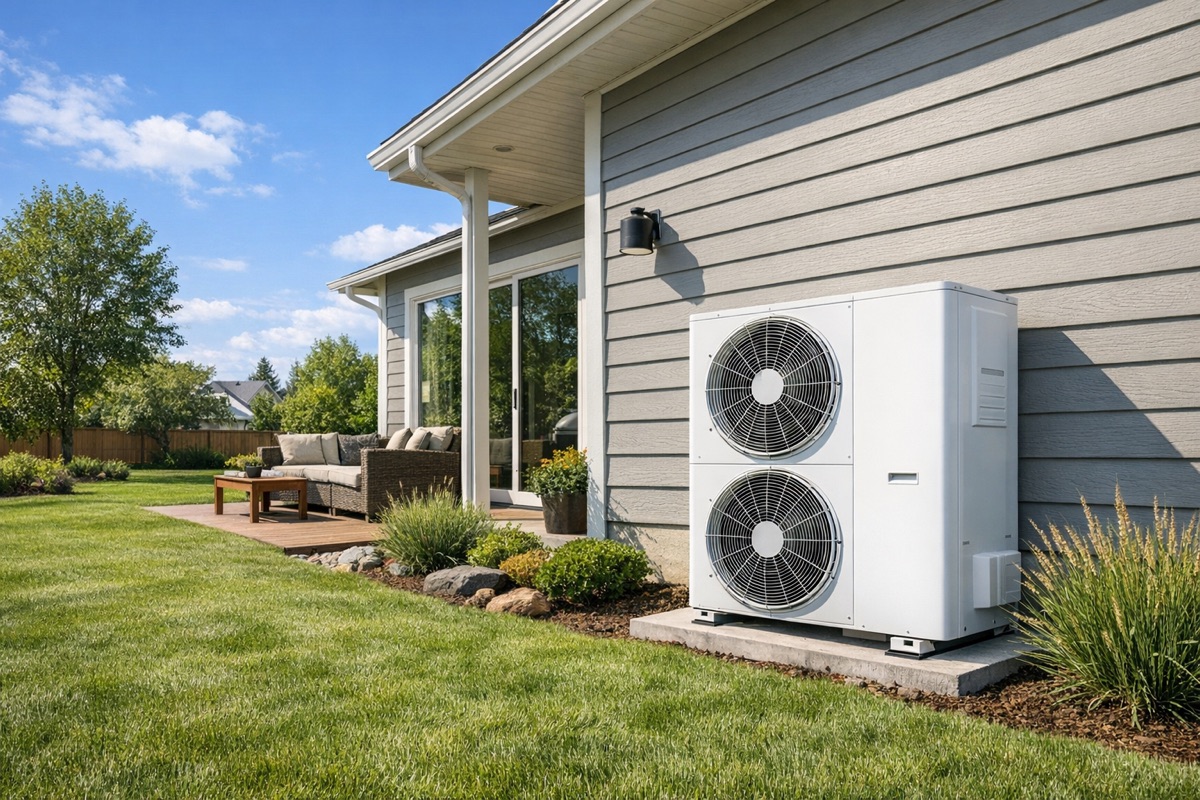
Heat pumps are the most energy-efficient way to heat and cool a home. They don't burn fuel — they move heat from one place to another using electricity and a refrigerant cycle. In winter, they pull warmth from outdoor air (or the ground) into your home. In summer, they reverse direction and work like an air conditioner, pushing heat outside.
This dual function means a single heat pump replaces both a furnace and an air conditioning unit. And because moving heat takes far less energy than generating it, heat pumps deliver 2 to 4 times more heating energy than the electricity they consume. That efficiency gap is where the savings come from.
Whether you're replacing an aging HVAC system or trying to cut energy bills, heat pumps deserve a serious look. Here's how the technology works, what types are available, what they cost, and how much you can realistically expect to save.
How a Heat Pump Actually Works
A heat pump works on the same principle as a refrigerator — just applied to your whole house. It uses a refrigerant that cycles between liquid and gas states, absorbing and releasing heat at each phase change. The key components are an evaporator (absorbs heat), a compressor (concentrates it), a condenser (releases it), and an expansion valve (resets the cycle).
The Refrigerant Cycle
Heating Mode (Winter)
- 1. Outdoor unit absorbs heat from outside air (even at low temps)
- 2. Compressor concentrates that heat, raising the refrigerant to 100°F+
- 3. Indoor unit releases warm air into your home
- 4. Expansion valve cools the refrigerant, and the cycle restarts
Cooling Mode (Summer)
- 1. Indoor unit absorbs heat from inside your home
- 2. Compressor raises the refrigerant temperature above outdoor air
- 3. Outdoor unit dumps that heat into the outside air
- 4. Cool refrigerant cycles back inside to absorb more heat
A heat pump doesn't "create" heat — it moves existing thermal energy from one place to another. That's why it can deliver 3 units of heat for every 1 unit of electricity.
The critical insight: there's always some heat energy in the air, even when it's cold outside. At 30°F, there's still plenty of thermal energy for a heat pump to extract. Modern cold-climate heat pumps can operate efficiently at temperatures as low as 5°F, and some models work down to -15°F.
Efficiency Measured: What COP Means
Heat pump efficiency is measured by the Coefficient of Performance (COP) — the ratio of heat energy delivered to electrical energy consumed. A COP of 3.0 means the system produces 3 units of heat for every 1 unit of electricity it uses. For context, a gas furnace has an effective COP of about 0.95, and electric resistance heating (baseboard heaters, space heaters) has a COP of exactly 1.0.
Heating Efficiency Comparison (COP)
Higher COP = more heat output per unit of electricity. Heat pumps are 2–5x more efficient than conventional heating.
Seasonal COP (SCOP) averages performance across the entire heating season. This accounts for the fact that air-source heat pumps lose some efficiency as outdoor temperatures drop. A good SCOP for an air-source heat pump is 3.0 or higher — still triple the efficiency of electric resistance heating, even after factoring in cold snaps.
Types of Heat Pumps
There are several types of heat pumps, each with trade-offs in cost, efficiency, and installation requirements. Here's how they compare.
Air-Source Heat Pumps
The most common type. These extract heat from outdoor air and are available as central ducted systems or ductless mini-splits. Air-source heat pumps cost $3,800 to $8,500 installed and work well in most climates. Ductless mini-splits are especially popular for homes without existing ductwork or for zone heating specific rooms, and they avoid the 20–30% energy losses typical of duct systems.
Ground-Source (Geothermal) Heat Pumps
These exchange heat with the ground through buried pipe loops. Because underground temperatures stay around 50–60°F year-round, geothermal systems maintain a consistently high COP of 3.5 to 5.0 regardless of weather. The trade-off is higher upfront cost — typically $15,000 to $30,000 installed — due to the excavation required. However, the ground loop lasts 50+ years and indoor components last up to 24 years, so the total cost of ownership can be lower than air-source systems over time. ENERGY STAR-certified geothermal units use 61% less energy than standard models.
Cold-Climate Heat Pumps
These are air-source units engineered for extreme cold. They use variable-speed compressors and enhanced vapor injection to maintain strong heating output at temperatures as low as 5°F, and some models operate down to -15°F. If you live in the Midwest or Northeast, a cold-climate rated unit is worth the modest price premium.
Dual-Fuel / Hybrid Systems
A hybrid system pairs a heat pump with a gas furnace. The heat pump handles heating most of the time, switching to the furnace only during the coldest days when it can't keep up. This approach works well in regions with harsh winters and low natural gas prices — you get the efficiency of a heat pump for the majority of the heating season while keeping the furnace as backup.
| Type | Installed Cost | COP Range | Best For |
|---|---|---|---|
| Air-Source (Ducted) | $3,800–$8,500 | 2.5–4.0 | Homes with existing ductwork |
| Ductless Mini-Split | $3,000–$7,000 | 2.5–4.0 | No ductwork, zone heating |
| Ground-Source | $15,000–$30,000 | 3.5–5.0 | Long-term efficiency, stable COP |
| Cold-Climate | $5,000–$10,000 | 2.0–3.5 | Extreme cold (below 5°F) |
| Dual-Fuel Hybrid | $5,500–$12,000 | 2.5–4.0* | Cold climates with cheap gas |
*Dual-fuel COP applies when running in heat pump mode. Furnace mode is ~0.95 COP. Costs are pre-incentive estimates.
How Much Can a Heat Pump Save You?
Savings depend on what you're replacing, where you live, and your local electricity and gas prices. Here are the most common scenarios:
Replacing Electric Resistance Heating
The biggest savings. The DOE estimates heat pumps reduce electricity use for heating by up to 75% compared to baseboard heaters and electric furnaces. On a $200/month winter electric bill, that's roughly $150/month in heating savings.
Replacing a Gas Furnace + Central AC
Most homeowners save $30 to $100 per month in moderate climates. Over 10 years, the total savings compared to running a gas furnace and separate AC system average around $8,500. Savings are larger in areas with high gas prices or mild winters.
Replacing Propane or Oil Heat
Propane and heating oil are among the most expensive fuel sources. Switching to a heat pump typically saves $500 to $1,500 per year, with a payback period of 5 to 7 years even before incentives.
Keep in mind: your electricity bill will go up when you switch from gas to a heat pump, but your gas bill drops to near zero (or fully to zero if the furnace was your only gas appliance). The net result is almost always positive because heat pumps use so much less energy per unit of heat delivered.
Heat Pumps and Electricity Pricing
Since heat pumps run on electricity, your rate structure matters. Homeowners on dynamic or time-of-use pricing can save an additional 10–15% by running their heat pump strategically — pre-heating the house during off-peak hours (overnight, early morning) and coasting through expensive peak periods.
Research from ESIG and RMI shows that price-based control approaches can reduce heat pump electricity costs by about 12% without sacrificing comfort. The concept is straightforward: heat your home a degree or two above your target when rates are low, then let the thermostat coast when rates spike. A programmable or smart thermostat makes this automatic.
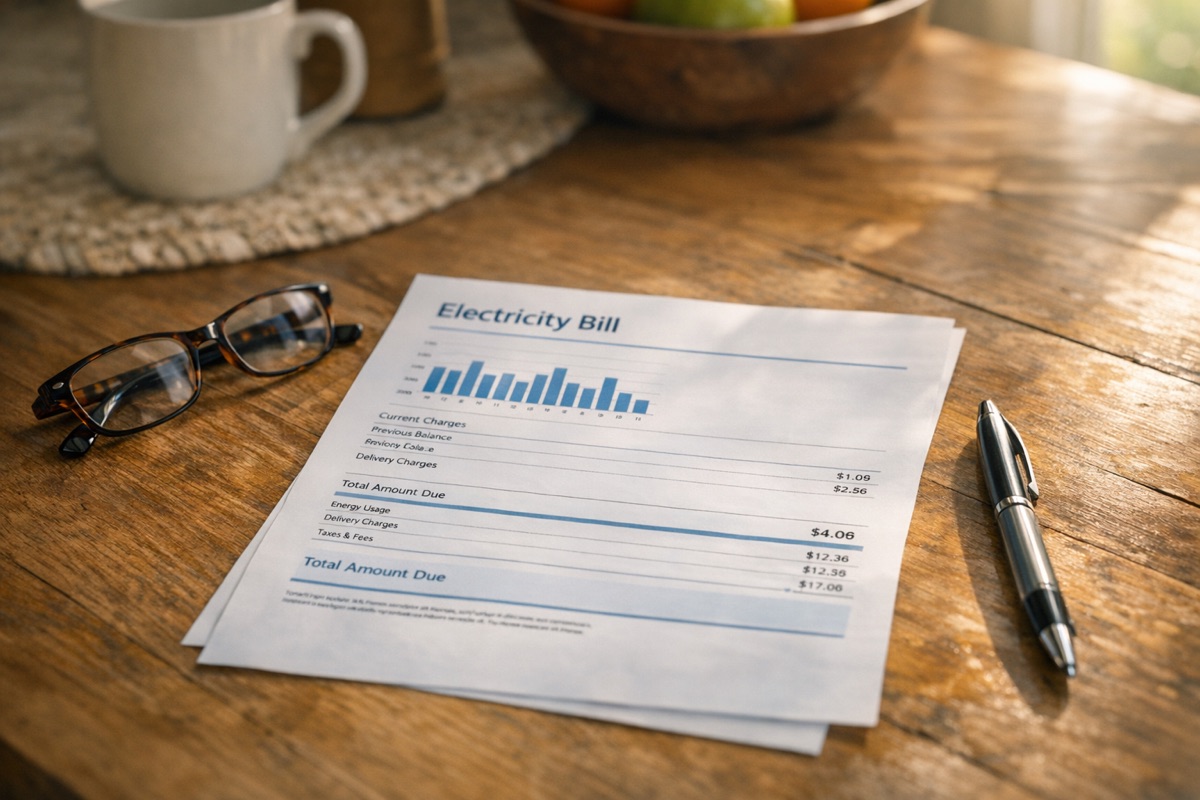
Some utilities also offer dedicated heat pump rates. National Grid in Massachusetts, for instance, provides a lower per-kWh rate for customers with qualifying heat pump systems. Understanding your bill and rate options is the first step toward maximizing these savings.
Tip: Match Your Heat Pump to Your Rate Plan
- Flat rate: You still save from raw efficiency gains (COP of 3+ vs. furnace at 0.95)
- Time-of-use: Pre-heat during off-peak, coast during on-peak — adds 10–15% savings
- Dynamic/hourly pricing: Shift heavy usage to the cheapest hours each day for the largest savings
- Heat pump-specific rate: Check if your utility offers a lower kWh rate for heat pump customers
Rebates and Tax Credits
Federal and state incentives can significantly reduce the upfront cost of a heat pump. Here's what's available:
Federal Tax Credits (Eliminated by the OBBB)
The One Big Beautiful Bill Act, signed July 4, 2025, terminated both major federal energy tax credits — Section 25C (up to $2,000 for heat pumps) and Section 25D (30% of cost for geothermal systems) — for any equipment placed in service after December 31, 2025. If you installed a heat pump or geothermal system before that date, you can still claim the credit on your 2025 tax return using IRS Form 5695. But for new installations in 2026, these federal tax credits are no longer available.
What the OBBB Eliminated
- Section 25C — up to $2,000/year for air-source heat pumps (expired Dec. 31, 2025)
- Section 25D — 30% of cost, no cap, for geothermal heat pumps (expired Dec. 31, 2025)
Both credits were originally scheduled to run through 2032 under the Inflation Reduction Act.
HEAR Rebates (State-Administered, Funds Limited)
The IRA's Home Electrification & Appliance Rebates (HEAR, formerly HEEHRA) program survived the OBBB. It allocates $4.5 billion nationally for point-of-sale rebates, with heat pumps qualifying for up to $8,000. Rebate amounts are income-based:
- Below 80% area median income: up to 100% of project cost covered
- 80–150% area median income: up to 50% of project cost covered
The catch: these rebates are administered at the state level, rollout timelines vary, and some states have already fully reserved their allocations. Check your state's energy office or the DSIRE database for current availability — don't assume funds are still open.
Utility and State Programs
With federal tax credits gone, utility and state rebates are now the primary incentives. ComEd, Mass Save, and dozens of other programs provide $500 to $3,000+ for qualifying installations. In Illinois, the CRGA's enhanced efficiency programs may introduce additional incentives as they roll out in 2026. These local programs are more important than ever — check your utility's website before getting quotes.
What to Consider Before Installing
A heat pump isn't automatically the right choice for every home. Here are the factors that determine whether you'll see strong returns.
Climate
Heat pumps work everywhere, but your climate determines which type to get. In mild and moderate climates (most of the U.S.), a standard air-source heat pump delivers excellent year-round performance. In cold climates — Chicago, Minneapolis, Boston — you'll want a cold-climate rated unit or a dual-fuel system. Ground-source heat pumps sidestep the cold-weather efficiency question entirely, since underground temperatures don't fluctuate much.
Your Current Heating Fuel
The switch is most compelling if you currently heat with electricity (baseboard, space heaters), propane, or oil. If you have a relatively new, high-efficiency gas furnace and cheap natural gas, the payback period is longer — but you'll still reduce carbon emissions and eliminate the need for a separate AC system.
Home Insulation and Ductwork
A well-insulated home holds heat longer, which makes a heat pump more effective and extends the time you can coast during expensive peak hours. If your ductwork is old or leaky, consider a ductless mini-split system — it avoids duct losses entirely and allows zone-by-zone temperature control.
Electrical Panel Capacity
Heat pumps require a dedicated 240V circuit. If your home has an older electrical panel (100 amps or less), you may need a panel upgrade, which adds $1,500 to $3,000 to the project. Your installer should assess this during the initial quote.
The Bottom Line
Heat pumps are the most efficient heating and cooling technology available for homes today. They deliver 2 to 5 times more energy than they consume, replace both your furnace and air conditioner with a single system, and pair well with time-of-use or dynamic electricity pricing for additional savings. The federal tax credits are gone, but HEAR rebates and utility programs can still cut thousands off the upfront cost — especially if you're replacing electric resistance heating, propane, or oil.
The main thing to get right is matching the heat pump type to your climate and home. Get quotes from at least two or three installers, ask about cold-climate ratings if you live in the Midwest or Northeast, and check the DSIRE database and your utility's website for all available rebates before signing a contract. The efficiency gains are real, but the incentives can make the difference between a 3-year payback and a 10-year one.
Track Prices. Shift Usage. Save Money.
Running a heat pump on dynamic pricing? Electrac monitors real-time electricity rates so you can heat your home during the cheapest hours.
Get Started with Electrac