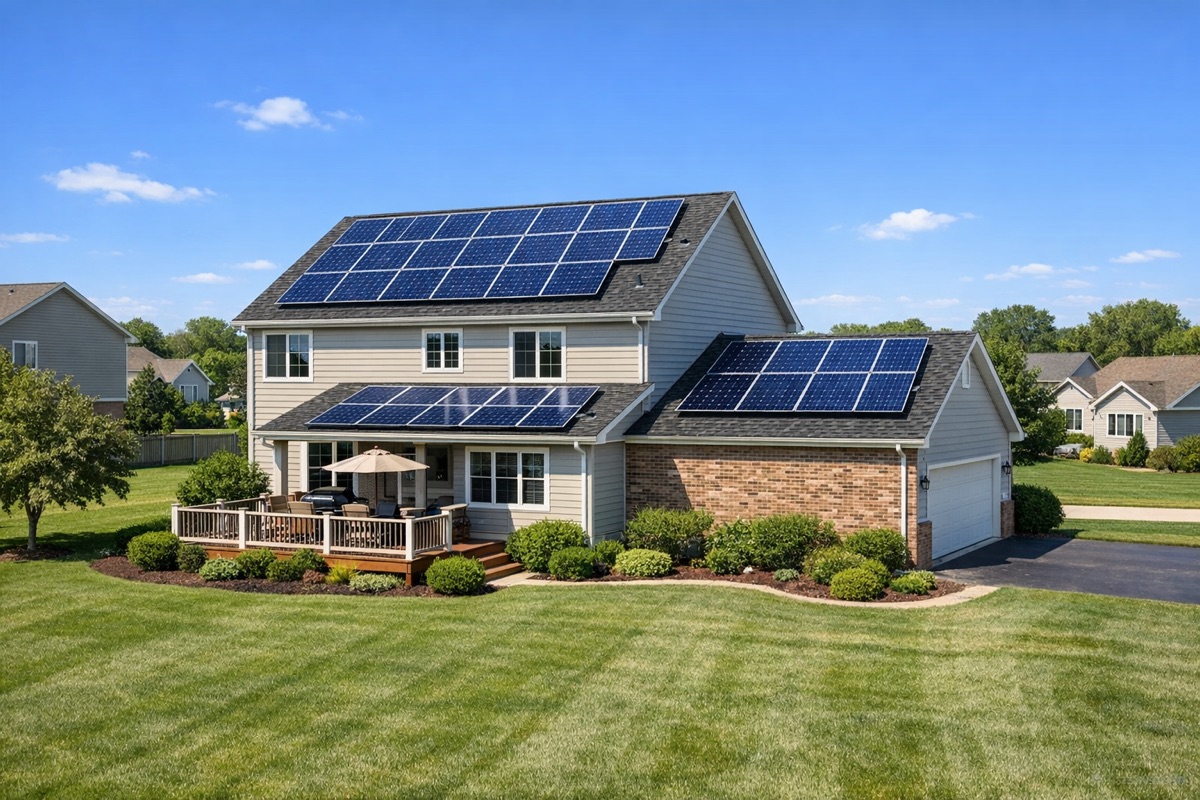
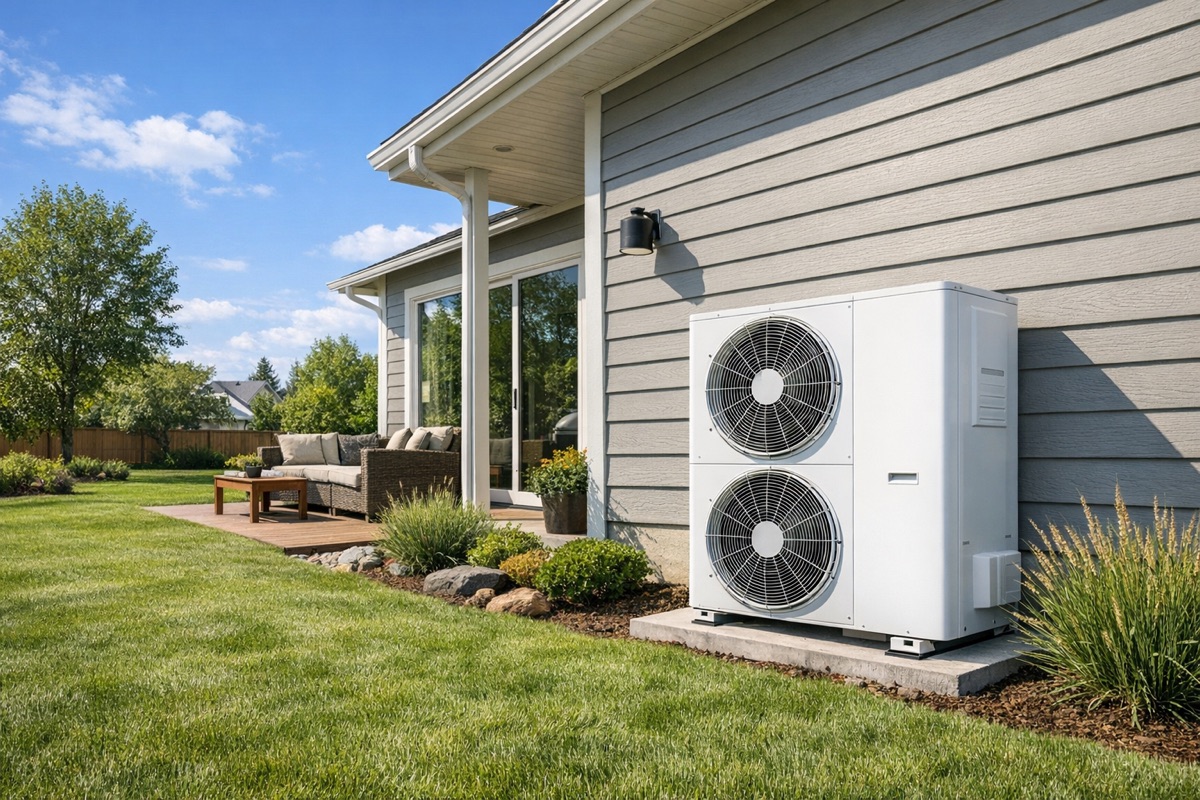
Getting Started with Solar in Illinois: A 2026 Guide
Costs, Rebates, and Net Metering Changes Explained
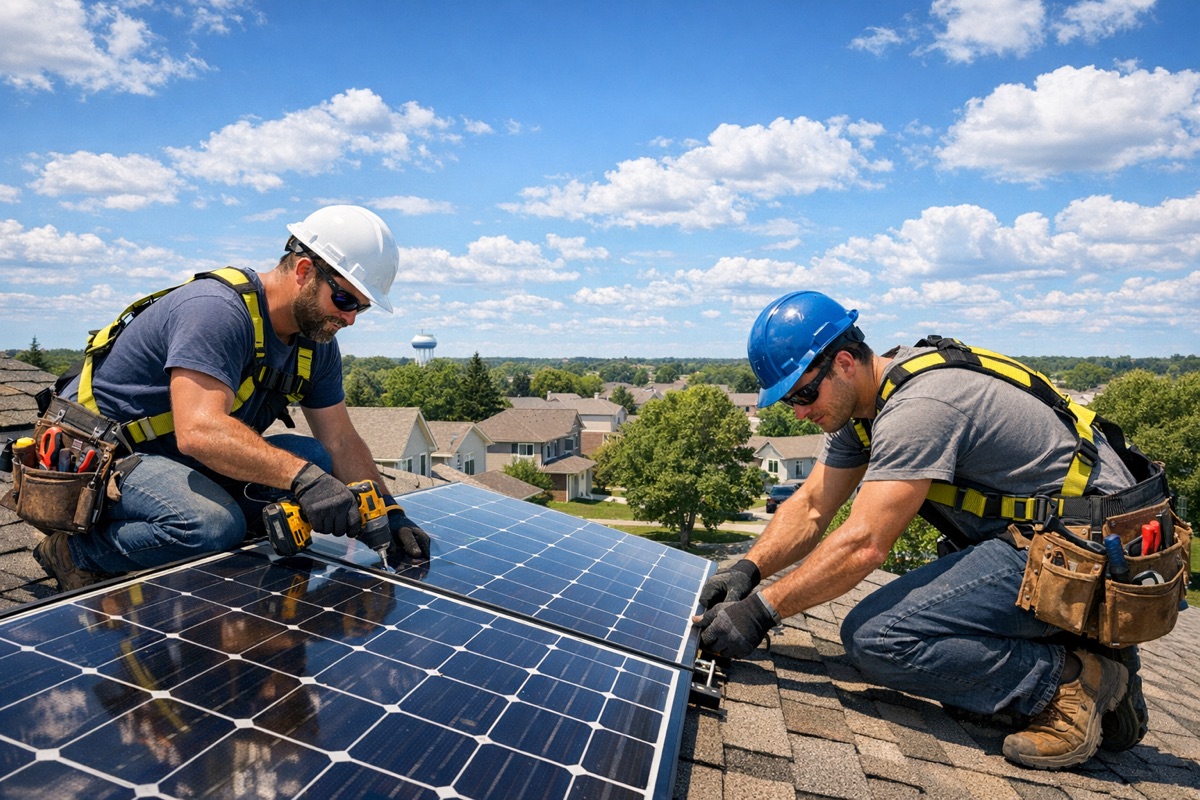
If you’re considering solar power in Illinois in 2026, you’re looking at a very different landscape than just a few years ago. While the fundamentals—saving money and reducing your carbon footprint—remain the same, the financial math has evolved.
The expiration of full retail net metering in 2025 marked a major shift for ComEd customers, making battery storage more important than ever. At the same time, record-high electricity rates in Illinois have altered the upfront cost equation for homeowners.
In this guide, we’ll break down exactly what going solar looks like for an Illinois homeowner in 2026, starting with the basics for total beginners.
Solar 101: A Beginner's Primer
Before diving into rebates and regulations, let’s briefly cover how a modern home solar system actually works.
How It Works
- Capture: Solar panels on your roof convert sunlight into Direct Current (DC) electricity.
- Convert: An inverter (either a central box or microinverters under each panel) converts that DC electricity into Alternating Current (AC), which is what your home appliances use.
- Consume: Your home uses this solar power first. If your panels are generating 5kW and your AC is using 3kW, the solar covers it all with 2kW left over.
- Store or Send: That "leftover" energy has two paths. If you have a battery, it charges the battery for later use. If the battery is full (or you don't have one), the excess flows out to the electric grid, and you get credited for it.
The Environmental Impact
Beyond the bill savings, the environmental impact is significant. In Illinois, where the grid still relies partly on fossil fuels, a typical 8-10 kW home solar system offsets roughly 4 to 5 metric tons of CO2 per year.
To put that in perspective, that’s equivalent to:
- Taking a gas-powered car off the road for a full year (approx. 11,000 miles of driving).
- Planting over 70 tree seedlings and letting them grow for 10 years.
- Avoiding the burning of nearly 5,000 pounds of coal annually.
The Big Change: Supply-Only Net Metering
For years, the "golden rule" of solar in Illinois was full retail net metering. For every kilowatt-hour (kWh) you sent back to the grid, you got a 1:1 credit on your bill, offsetting not just the energy cost but also delivery and transmission fees.
As of January 1, 2025, that era has ended for new installations.
New solar customers now operate under Supply-Only Net Metering (also known as Smart Solar Billing). Here’s what that means:
- Exports: When you send excess power to the grid, you are credited only for the supply portion of the rate. You do NOT get credit for delivery taxes and fees.
- Imports: When you pull power from the grid (at night or on cloudy days), you pay the full retail rate (Supply + Delivery + Taxes).
Why this matters
Because delivery charges can make up 30-50% of your bill, sending 1 kWh to the grid and buying 1 kWh back later is no longer a "wash." You lose money on the transaction. This shifts the financial incentive toward self-consumption—using the power you generate immediately or storing it in a battery.
The 2026 Incentive Stack
Despite the net metering change and federal tax updates, Illinois remains a strong market for solar thanks to a powerful "stack" of state-level incentives.
1. Federal Investment Tax Credit (ITC) - Gone for Homeowners
As of January 1, 2026, the 30% Residential Clean Energy Credit (Section 25D) no longer exists for homeowner-owned systems. The "One Big Beautiful Bill" eliminated it for systems installed after December 31, 2025.
However, there is a key exception: Third-party owned systems (leases and PPAs) can still qualify for the Section 48E business credit through 2027. This means if you lease your system instead of buying it, the leasing company can claim the credit and pass the savings on to you in the form of lower monthly payments.
Note: If you purchased and installed your system before Dec 31, 2025, you can still claim the 30% credit on your 2025 tax return.
2. Illinois Shines (SRECs)
Through the Illinois Shines program (Adjustable Block Program), your system generates Solar Renewable Energy Credits (SRECs) for 15 years. The state pays you for these credits upfront or over a few years.
For a typical home, this can amount to 20-25% of the system cost paid back to you in cash.
3. ComEd DG Rebate
ComEd offers a Distributed Generation (DG) rebate of roughly $300 per kW of installed solar capacity. For a standard 8kW system, that’s an immediate check for ~$2,400.
4. Storage Rebate (The Game Changer)
To encourage batteries, ComEd offers a rebate of $300 per kWh of storage capacity. A typical 13.5 kWh battery (like a Tesla Powerwall 3) could qualify for over $4,000 in rebates. This is similar to the ComEd EV Charger Rebate, which provides up to $2,500 for home charging infrastructure—another great way to leverage your new solar panels.
5. NEW: CRGA Virtual Power Plant Rebate (Starting June 2026)
The Clean and Reliable Grid Affordability Act (CRGA), signed in January 2026, adds another layer to the incentive stack. Starting June 30, 2026, homeowners who enroll in the new Virtual Power Plant (VPP) program can receive a $250/kWh rebate for battery storage — on top of ComEd's existing DG rebate. You'll also earn ongoing $10/kW performance payments each time your battery is dispatched to help the grid during peak demand.
This means a 13.5 kWh battery could qualify for both the $4,050 ComEd DG rebate and a $3,375 CRGA VPP rebate, plus recurring income from dispatch events. Battery storage has never made more financial sense in Illinois.
Does Solar Still Make Sense with ComEd Hourly Pricing?
Many of our users love ComEd's Hourly Pricing program for its savings potential. The good news: Solar and Hourly Pricing are a perfect match, especially with the new supply-only rules. Using a real-time tracking tool like Electrac allows you to see exactly when your solar exports are most valuable.
Under supply-only billing, your export credits are valued at the supply rate at the moment of export.
- Summer Afternoons: Solar production is high, and hourly prices often spike. You export power when it's most valuable.
- Negative Prices: Occasionally, prices go negative. With a battery and smart software, you can stop exporting or even charge your battery from the grid to get paid to take power.
The Battery Advantage
With supply-only billing, a battery allows you to store your cheap solar power during the day and use it in the evening when grid prices (and delivery fees) would otherwise sting. This "energy arbitrage" maximizes your ROI.
Financial Breakdown: Buy vs. Lease (2026)
The biggest decision for 2026 homeowners is choosing between owning the system (Cash/Loan) or leasing it (PPA). Because the federal tax credit is gone for individuals but alive for businesses, the math has shifted.
Option A: Lease / PPA
Best for: Lower monthly bills with $0 down
- Upfront Cost:$0
- Maintenance:Included
- Federal Tax Credit:Claimed by Installer
- Illinois Incentives:Claimed by Installer
- Net Result:~20% Bill Savings
Option B: Cash Purchase
Best for: Maximum long-term ROI & Home Value
- System Cost (8kW+Batt):-$36,000
- Federal Tax Credit:$0 (Expired)
- Illinois Shines (SREC):+$9,000 (Est)
- ComEd Rebates:+$5,400
- Net Cost:~$21,600
*Estimates are for illustrative purposes. Lease savings depend on specific PPA terms. Purchase incentives assume successful application for DG rebate and Illinois Shines program.
Steps to Get Started
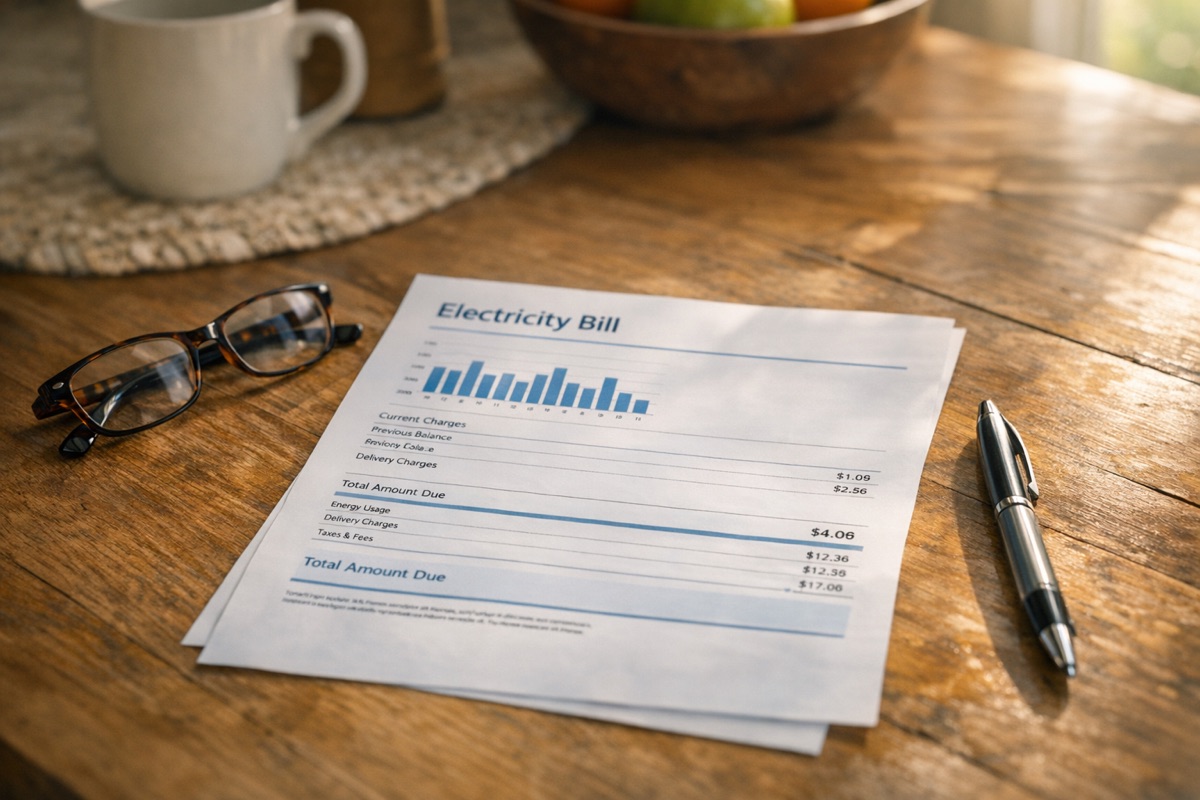
- Assess Your Roof and Usage: Gather your last 12 months of ComEd bills to calculate your annual energy needs. At the same time, look at your roof's condition and orientation—south-facing with minimal shade is ideal, though east/west can work with modern panels.
- Shop the Financing: The choice between buying and leasing is now critical. Get quotes for both models. Ask specifically: "How does the monthly lease payment compare to a loan payment + the lost tax credit?"
- Prioritize Storage: In 2026, a battery isn't just a backup; it's an economic engine. Ask installers to model your savings with and without a battery under ComEd's supply-only billing to see the "energy arbitrage" value.
- Verify Credentials: To get the full stack of Illinois incentives, your installer must be qualified. Check that they are ICC Certified (for the DG rebate) and an Illinois Shines Approved Vendor (for SREC payments).
The Bottom Line
Solar in Illinois is still a strong investment in 2026, but the strategy has changed. The loss of the federal tax credit makes the "ownership" model harder, pushing many homeowners toward leases and PPAs to capture the Section 48E commercial credit. But the new CRGA legislation partially offsets that loss with VPP rebates and performance payments, making battery-paired solar systems more attractive than ever. Combined with Illinois Shines SRECs and ComEd's DG rebates, the incentive stack remains substantial—you just need to navigate the new rules carefully.